

Best Practices for Scientific Data Collection and Analysis
- Rosalie K. Cruikshank
- Jan 13, 2025
- 4 min read

Updated: Feb 10
Scientific data collection and analysis play a vital role in research because they are the basis of the information that is used to inform others. The accuracy of research findings relies heavily on effective laboratory practices during the early phases. I will discuss elements of successful data collection and analysis that I have learned through my research experiences, focusing on three main areas: avoiding contamination, staying organized, and remaining unbiased.
Avoiding Contamination
Contamination can lead to inaccurate conclusions, therefore, identifying potential sources of error during data collection is crucial. Researchers must plan ahead and adhere to strict protocols throughout their studies. For example, with my research at the US Geological Survey (USGS), I was developing the methods for measuring and quantifying microplastic flux in the northern Gulf of Mexico. We prevented contamination from other plastics during sampling and processing by using glass or metal equipment instead of plastic.
It is also important to acknowledge that the chances of contamination can never be zero. Therefore in order to account for any contamination that happens during sample processing, you should have blanks. The blanks will serve as a baseline to account for potential contamination during the process, and then their values can be subtracted from whatever is found in the real samples.
Rigorous training programs for all scientists involved in data collection also help. By ensuring that everyone understands the standard operating procedures (SOPs) and how to avoid contamination, the risk of contamination is reduced. Regular checks of sample collection methods by a lead scientist or even someone who works outside of your lab and is not emotionally invested in the research can identify and address potential contamination points, safeguarding data integrity.
Staying Organized
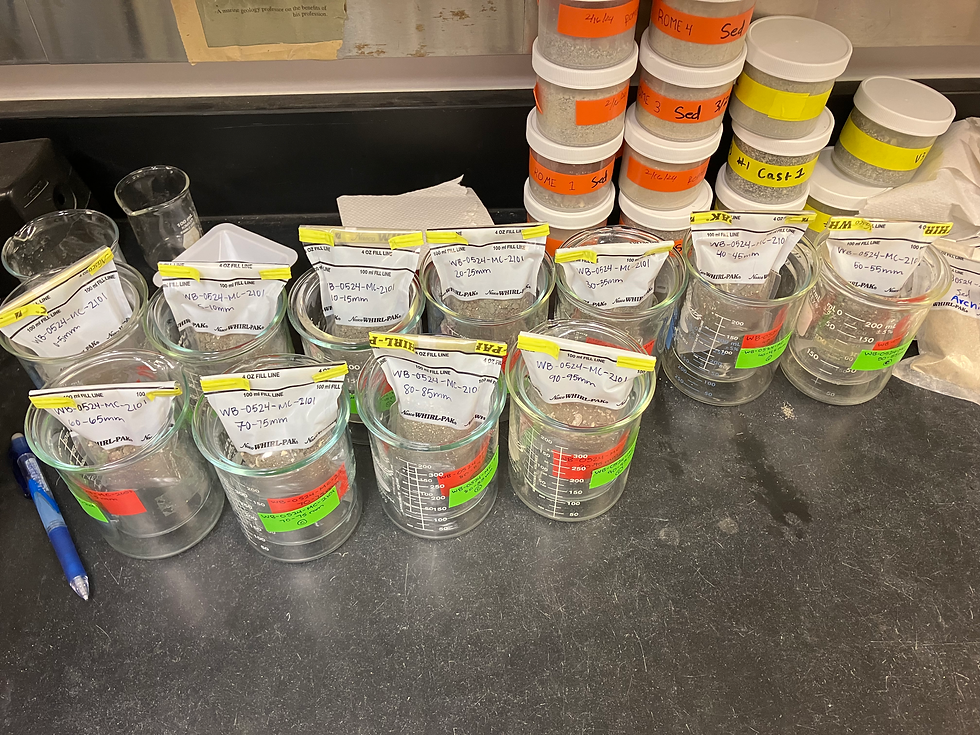
When an outsider is able to trace the samples from start to finish, the final results are more credible. Keeping thorough records of samples, notes, labeling methods, and SOPs is vital.
Correctly and consistently labeling samples is one of the best ways to organize your data. Each lab may have a different labeling scheme, but each label should typically indicate the date, time, project name, and any other sample details. However, keep it short - you will most likely have other lab notebooks or online documents with additional notes about the samples. Immediate and accurate documentation of information ensures that you won't miss important details that could negatively impact analysis or writing. Ensure that notes are easy to locate and trace back to the corresponding sample. I like to include links when possible, or share things in "the cloud" so that my supervisors can monitor progress. Consistency is crucial, especially in studies with hundreds of samples.
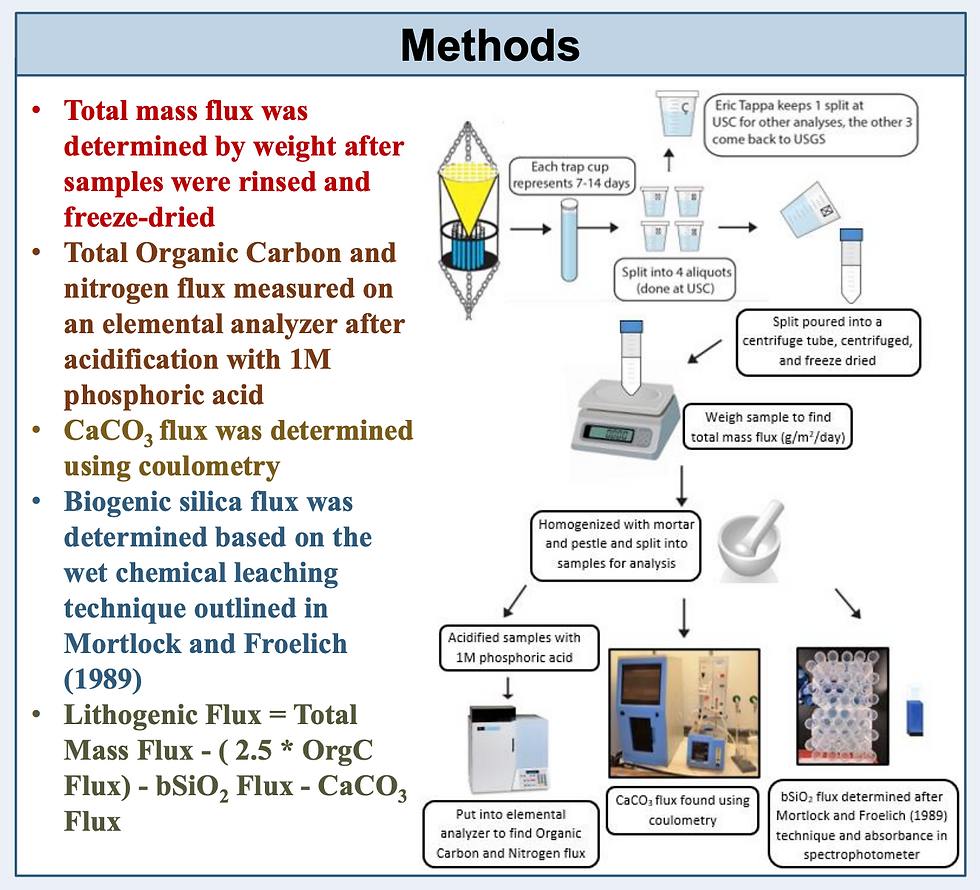
Developing standard operating procedures for both data collection and analysis streamlines operations and helps reduce inconsistencies. Make sure these standard methods are available and easily understandable to everyone performing them. I have found that a good way of presenting methodologies is through flow charts with pictures (Fig. 2). They easily show the next step and can be referenced when an advisor is not present. If you're new to the lab, study those SOPs and ask questions about the things you don't understand! Providing thorough guidelines and templates leads to enhanced overall data quality.
Remaining Unbiased
The last thing to help with sound data that I will touch on is the elimination of bias. It can be anywhere in the process, from the start of the project, to picking data to be used, analyzing the data, and writing up the results. Bias can be intentional or unintentional, but it is important to identify and work against any biases you may have or encounter. Having a good team that is honest with you would help to catch and eliminate bias. You can also check your own work and thinking to be very intentional to be as impartial and objective as possible.
Another point I briefly mentioned earlier is the importance of implementing blinding methods. When you have someone else check your work, they can catch things which you might not be able to see. Additionally, by having an unbiased third party review your work, they can point out flaws that you or your research group may have trouble admitting yourselves. One thing I have learned about research is that it's hard not to get emotionally invested in the projects that you spend so much time and effort on. Ultimately, it is to your benefit to have flaws pointed out so that you can work toward a resolution and confidently present your results.

Going Forward
Sample collection and analysis can sometimes seem difficult because of all of the things that need focused attention and patience. However, remaining diligent in making sure samples are uncontaminated, keeping an organized space and documentation, and remaining unbiased in evaluations is important for presenting high quality scientific research.
By remaining organized, being receptive to suggestions for improvement, and being deliberate about not inserting bias into my work, I can ensure that I get results that I am proud of. These practices do not always come naturally, but by taking the time to implement them purposefully, I can ensure that I contribute meaningfully toward the common good.


Comments